


 Česky (CZK)
 Slovensky (EUR)
PVC CLOTHING AND ACCESSORIES

Lacquer (also called Patent Leather) and PVC clothing are often mistakenly confused with latex. Please don't make the same mistake!
- Patent leather is a two-layer material consisting of polyurethane and polyester. Simply put, it is a synthetic fabric coated with a glossy material. It is shiny on the outside and has a lining on the inside. It is not as flexible as latex, but it still has sufficient elasticity.
- PVC looks similar at a glance, but it doesn't have a lining. PVC is used to make classic raincoats, for example… Continue below
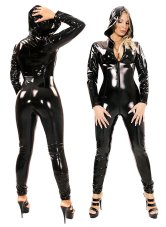
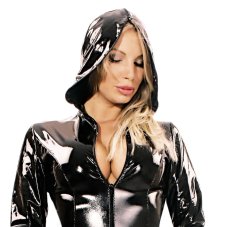
Shiny PVC catsuit with hood - le1451 (XL, black)
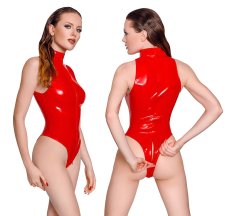
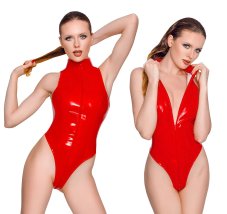
Shiny PVC Body with stand-up collar - 2840707 (XL, red)
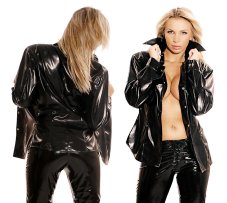
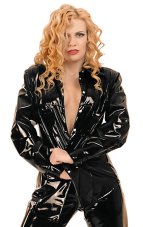
Shiny PVC Shirt - le1161 (XL, black)

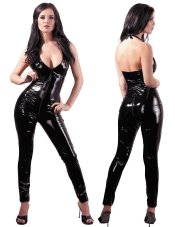
Shiny PVC Catsuit - 2850052 (S, Black)
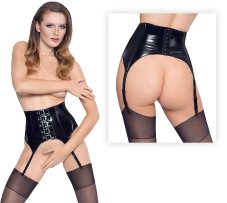
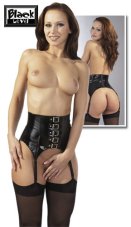
Shiny PVC Garter Belt - 2870142 (S, Black)
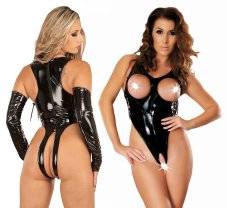
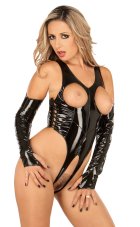
Shiny PVC Body - le1291 (S, black)
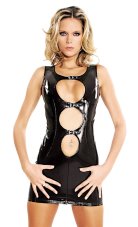
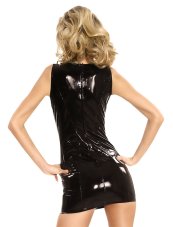
Shiny PVC Dress with Cutouts - le1624 (M, Black)
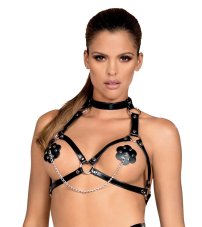
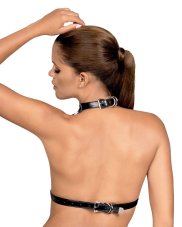
Women's Chest Harness - 2460858
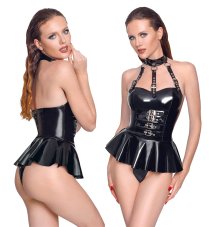
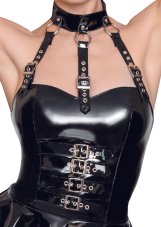
Shiny PVC Bodysuit with Skirt - 2840715
Shiny PVC Body with stand-up collar - 2840707
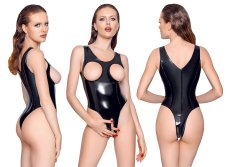
Shiny PVC Bodysuit with Open Crotch and Bust - 2840375
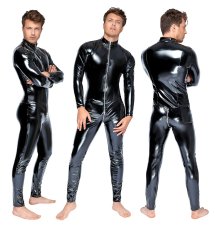
Shiny PVC Men's Catsuit - 2890470
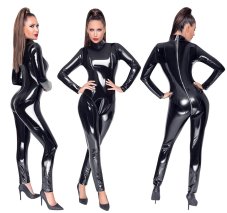
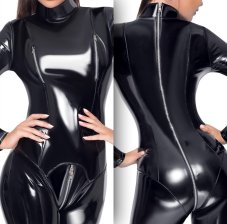
Shiny PVC Catsuit with Zips on Chest - 2851393
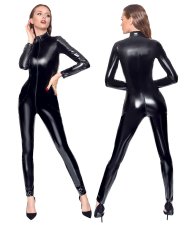
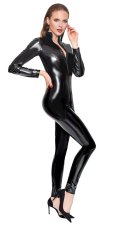
Shiny PVC catsuit - 2851504
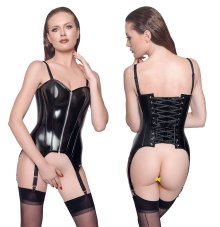
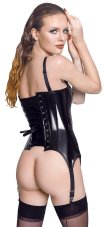
Shiny PVC Corset with Garters - 2840600
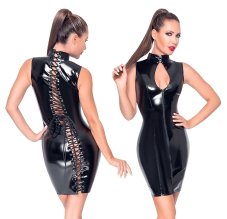
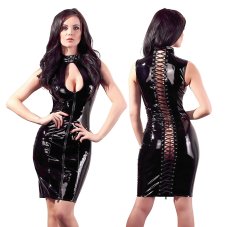
Shiny PVC Dress with Lacing - 2850575
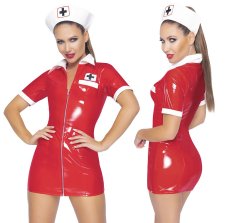
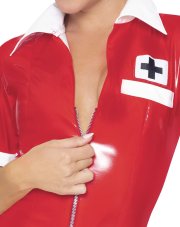
Shiny PVC Dress - Nurse - 2851083
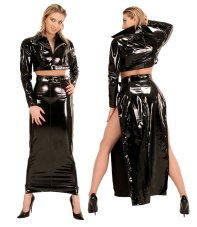
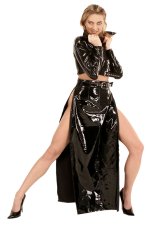
Shiny PVC Skirt - le1355
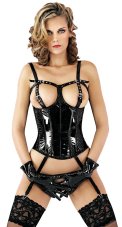
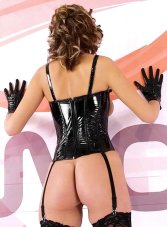
Shiny PVC Corset - le1627
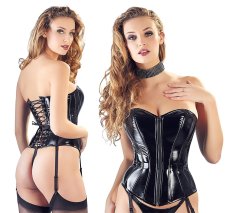
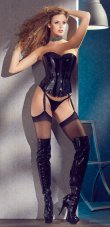
Shiny PVC Corset - 2840642
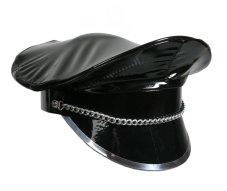
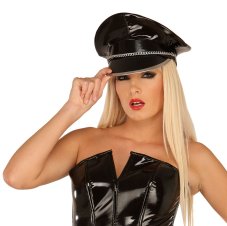
Shiny PVC cap - le1251
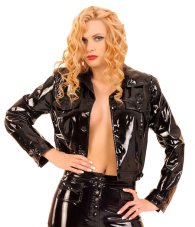
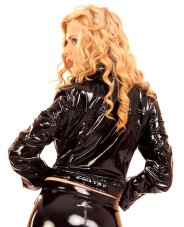
Shiny PVC Jacket - le1544
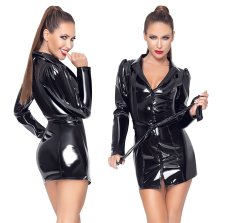
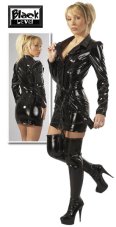
Shiny PVC Coat - 2850079
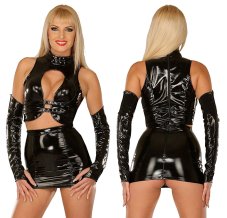
Shiny PVC top - le1202_1
Clothing made of lacquer and PVC - also called Patent Leather
Lacquer (varnished) and PVC clothing is often mistakenly confused with latex. Please do not make the same mistake!
- Lacquer is a two-layer material consisting of polyurethane and polyester. Simply put, it is an artificial fabric coated with a shiny material. It shines on the outside and has a lining on the inside. It is not as stretchy as latex, but it still has sufficient elasticity.
- PVC looks similar but does not have a lining. PVC is used to make classic raincoats, for example.
Clothing made of lacquer and PVC is popular among fetishists, similar to latex or leather. Together, they form a sort of leading trio of fetish and BDSM materials. However, each of them is completely different, and they cannot be easily combined.
Lacquer clothing has several advantages over the other two:
- Unlike latex, it shines on its own.
- Unlike latex, it is easier to put on and take off.
- It is cheaper than latex and leather.
- There is only one type of lacquer, unlike latex and leather.
- It requires minimal maintenance compared to latex and leather.
Let's take a closer look at the last 2 points.
Types of Lacquer Clothing
Lacquer can be used to make any clothing or accessories. And not just for fetish. Lacquer is also a striking fashion material and definitely does not belong only in the bedroom or S/M studios! Although there are more manufacturers and the material itself may vary slightly, the differences are not as significant as with leather or latex.
- Leather can be cowhide, pigskin, smooth, brushed, engraved, suede, soft napa, hard split leather, etc. etc. It can have different thicknesses, elasticity, strength, ...
- Latex can be moulded, glued, chlorinated, ... It can have vastly different thicknesses, which fundamentally affect its properties, and moreover, it feels different from each manufacturer. If you are a bit involved with it, it all seems clear, but for newcomers, it is literally hell and sometimes years of groping.
This won't happen with lacquer! The outer shiny layer is usually 100% PU (polyurethane), the lining is polyester or polyamide, or a combination of them. Even if the composition may vary slightly, it does not affect the tangible properties. Once you get your first lacquer piece, you will know in advance what material to expect with all the others.
Patent Leather
The only exception is lacquered leather, known as patent leather. There, the shiny polyurethane layer is applied to natural or artificial leather. Patent leather is primarily used to make footwear. For example, the legendary patent shoes or, more popular in our field, lacquer boots and pumps.
Caring for Lacquer Clothing and Footwear
Caring for lacquer is relatively easy. It is worth applying a softening cream to the shiny layer from time to time to prevent cracking. You definitely don't want your clothes to smell of sweat, so occasional cleaning of the lining is also necessary. Detailed information can be found in the section Caring for Lacquer Clothing.